Every year, we see a shift in what homeowners are asking for — and 2026 has been less about following trends for their own sake and more about outdoor spaces that actually get used. Fewer purely decorative features, more spaces designed around how families actually spend time outside.
Here's what we're seeing take hold across Moosic, Scranton, and the rest of Northeastern Pennsylvania this year, along with an honest take on which trends are worth the investment for this climate.
Outdoor Kitchens Built for Real Use
From Novelty to Necessity
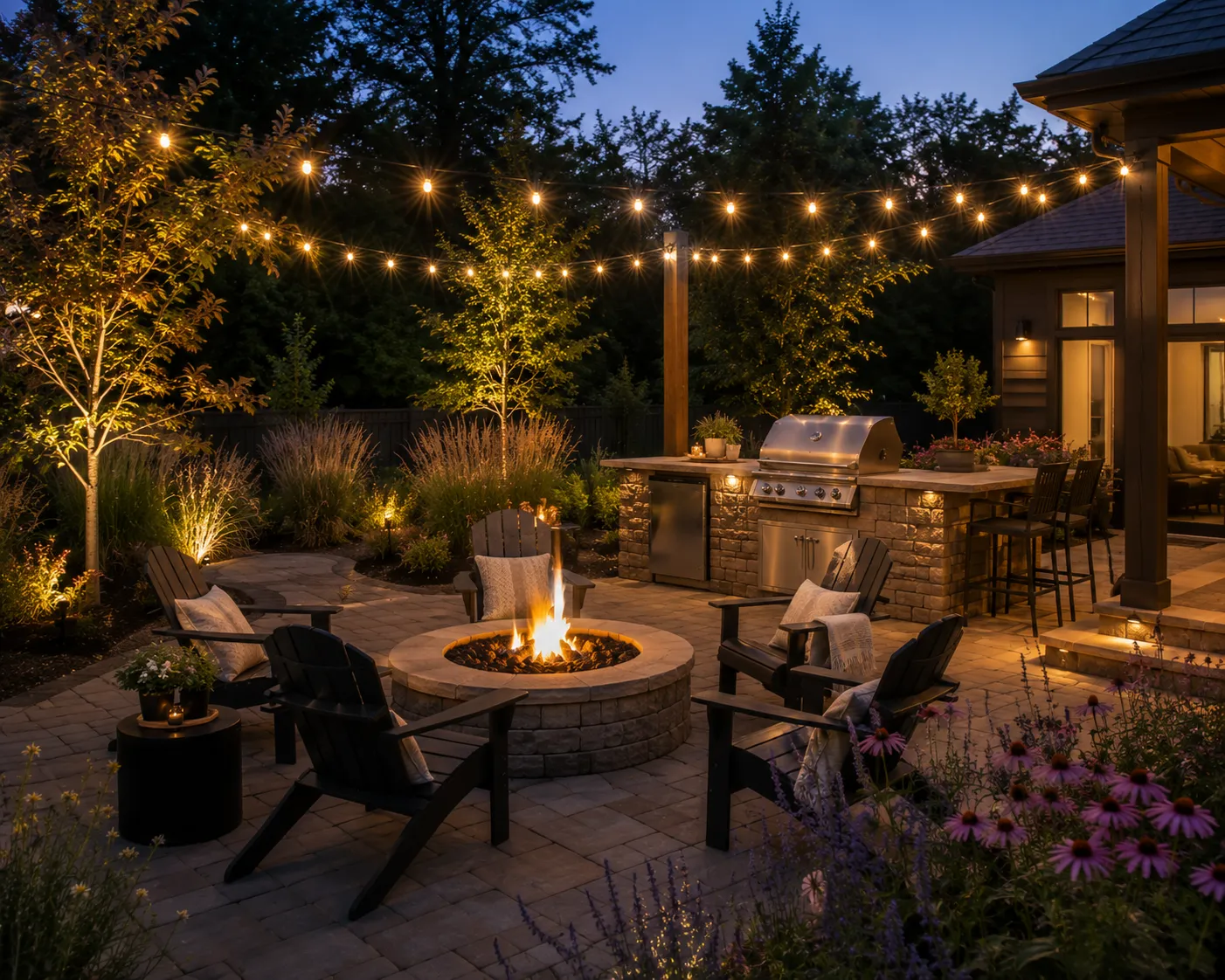
Outdoor kitchens have moved past the novelty grill-island stage into fully functional cooking and entertaining spaces, complete with counter space, storage, and sometimes a small refrigerator.
Designed for Pennsylvania's Seasons
The best outdoor kitchens in this climate account for a shorter usable season than warmer regions — durable materials that handle freeze-thaw cycles and simple winterization matter more here than in year-round climates.
Right-Sized for the Property
Not every backyard needs a full kitchen. A well-placed grill station with adjacent counter space often gets more actual use than an oversized build that overwhelms a smaller patio.
Material Choices That Handle Pennsylvania Winters
Stainless steel appliances, natural stone counters, and masonry bases hold up far better against seasonal freeze-thaw cycles than materials designed primarily for warmer, drier climates. Choosing the right materials upfront saves significant repair costs down the road.
Fire Pits as a Backyard Centerpiece
Extending the Outdoor Season
A fire pit is one of the simplest ways to extend outdoor living well into fall — and even early spring — in a climate where evening temperatures drop quickly once the sun goes down.
Built-In vs. Portable
Built-in stone or masonry fire pits create a permanent focal point and pair naturally with seating walls, while portable options offer flexibility for smaller or evolving spaces.
Gas vs. Wood-Burning
Gas fire pits offer convenience and instant use without the smoke and maintenance of wood-burning options, though many homeowners still prefer the traditional feel of a real wood fire for occasional use.
Seating and Layout Considerations
The seating arrangement around a fire pit matters as much as the feature itself — built-in stone benches, a mix of fixed and movable seating, and enough clearance for safe use all affect how comfortably the space actually functions for gatherings.
Landscape Lighting Beyond the Basics
More Than Just Safety Lighting
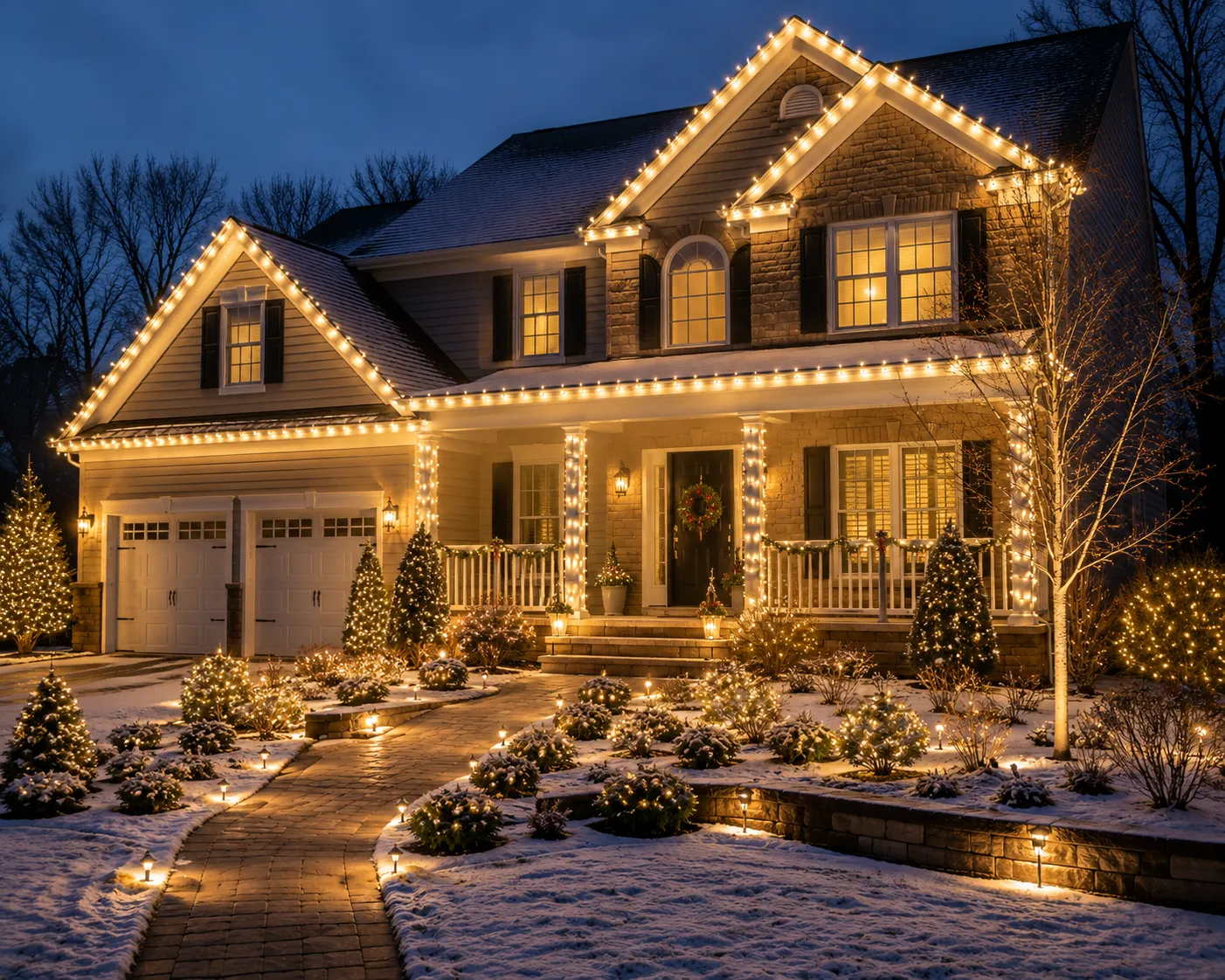
Landscape lighting has expanded well past basic pathway safety fixtures into layered design — uplighting on trees, accent lighting on hardscaping, and string lighting over patios and outdoor kitchens.
Extending Usability Into Evening
Well-designed lighting means outdoor spaces get used well after sunset, which matters significantly during Pennsylvania's shorter daylight months in fall and winter.
Smart Lighting Controls
More homeowners are adding app-controlled or timer-based lighting systems, allowing schedules that adjust automatically as sunset times shift throughout the year.
Layering Light for Depth
The most effective landscape lighting designs combine several layers — path lighting at ground level, mid-height accents on plants and features, and uplighting on trees or architectural elements — rather than relying on a single type of fixture across the whole property.
Native Plants Taking Over From Ornamentals
Better Suited to the Climate
Native Pennsylvania plants are already adapted to local rainfall, soil, and temperature swings, which means less watering, less fertilizing, and fewer pest and disease issues than many popular ornamental imports.
Supporting Local Ecosystems
Native plantings support local pollinators and wildlife in a way that many ornamental species simply don't, which has become a genuine priority for a growing number of homeowners rather than just a talking point.
Doesn't Mean Sacrificing Color
Native doesn't mean plain — coneflowers, black-eyed Susans, and native asters provide plenty of seasonal color while requiring significantly less maintenance than many traditional garden staples.
Easier Transition Than Homeowners Expect
Switching a bed from ornamental to native plantings doesn't require ripping everything out at once. Many homeowners transition gradually, replacing struggling ornamentals with native alternatives as opportunities come up, rather than treating it as an all-or-nothing overhaul.
Sustainable Landscaping Practices
Reducing Water Use
Drought-tolerant plant selections, efficient irrigation design, and mulching practices that retain soil moisture are all part of a broader shift toward lower water-use landscaping.
Rain Gardens and Better Drainage Design
More homeowners are incorporating rain gardens and improved grading to manage stormwater naturally, rather than letting runoff simply flow toward the street or a neighboring property.
Organic Lawn Care Approaches
There's growing interest in reduced-chemical lawn care approaches, balancing a healthy lawn with fewer synthetic inputs — though this typically requires more patience and a longer transition period than conventional treatment.
Composting and Soil Health
More homeowners are incorporating composting directly into their landscaping routine, using finished compost to improve bed soil rather than relying solely on bagged amendments. This closes the loop on yard waste while building healthier, more self-sustaining soil over time.
Artificial Turf: Where It Makes Sense (and Where It Doesn't)
Good Fit for Specific Situations
Artificial turf can make sense in small, high-traffic areas, deeply shaded spots where grass consistently struggles, or for pet-focused areas where real grass takes constant abuse.
Not Always the Right Call
For most standard yard spaces, natural grass remains the better long-term choice both for cost and for the way it interacts with drainage and the surrounding landscape. Artificial turf has real upfront costs and doesn't offer the same water-absorption or cooling benefits as living lawn.
An Honest Assessment Matters
We'll tell homeowners directly when artificial turf isn't the right fit for their space — it's a significant investment that only makes sense in the right situations.
Heat and Drainage Considerations
Artificial turf can retain significantly more heat than natural grass during summer months, making it uncomfortable underfoot on hot days. Proper installation with adequate drainage underneath is also essential — without it, water can pool beneath the surface and create odor or drainage problems over time.
Multi-Season Outdoor Living Design
Designing for More Than Summer
The trend we're seeing most in 2026 is outdoor spaces designed to be used across three seasons, not just the peak of summer — combining fire features, layered lighting, and wind-blocking elements like low walls or plantings.
Covered and Semi-Covered Spaces
Pergolas, covered patios, and other partial-shelter structures extend the usable season by protecting against Pennsylvania's unpredictable spring and fall rain.
Heating Elements
Patio heaters and fire features together allow outdoor spaces to stay comfortable well into the cooler months, maximizing the return on an outdoor living investment.
Wind Protection Extends Comfort Further
Strategically placed plantings, low walls, or fencing that blocks prevailing wind can make a bigger difference in outdoor comfort than heating alone, particularly during Pennsylvania's blustery fall and early spring evenings.
Low-Maintenance Landscaping as a Priority
Time Is the New Luxury
More homeowners are prioritizing landscapes that look great without demanding constant upkeep — a shift driven largely by busy schedules rather than a lack of interest in a beautiful yard.
Smart Plant Selection Reduces Work
Choosing the right native and low-maintenance plants for each specific spot — right plant, right place — dramatically reduces the ongoing work a landscape requires.
Efficient Irrigation Systems
Properly designed irrigation systems reduce the manual watering burden while actually using water more efficiently than hand-watering or guesswork scheduling.
Grouping Plants by Water Needs
Designing beds so plants with similar water and sun requirements are grouped together — a practice sometimes called hydrozoning — prevents the common problem of overwatering drought-tolerant plants or underwatering thirstier ones planted nearby.
Blending Hardscaping With Natural Materials
Natural Stone Over Uniform Pavers
There's a continued shift toward natural stone and mixed-material hardscaping rather than uniform, factory-made pavers, for a look that feels more integrated with the surrounding landscape.
Softening Hard Edges
Layering plantings along the edges of patios, walkways, and walls softens the transition between hardscaping and the natural landscape, avoiding a look that feels overly rigid or artificial.
FAQ: Landscaping Trends in Pennsylvania
Are outdoor kitchens worth the investment in Pennsylvania's climate? Yes, when designed with durable, freeze-resistant materials and simple winterization in mind — the shorter season doesn't eliminate the value, it just changes the design priorities.
Is artificial turf a good option for Pennsylvania lawns? It can work well in specific situations like deep shade or high-traffic pet areas, but natural grass remains the better choice for most standard yard spaces.
What native plants work well in Pennsylvania landscapes? Coneflowers, black-eyed Susans, native asters, and ornamental grasses all provide reliable color and structure while requiring less maintenance than many ornamental alternatives.
Do fire pits require a permit in Pennsylvania? Requirements vary by municipality — it's worth checking local regulations before installing a permanent fire feature.
What's the difference between gas and wood-burning fire pits? Gas offers convenience and instant, smoke-free use; wood-burning offers a more traditional experience but requires more maintenance and fuel.
How does landscape lighting extend outdoor living? Well-designed lighting allows patios, walkways, and gathering spaces to be used comfortably after sunset, extending usable hours significantly, especially during shorter-daylight months.
Is sustainable landscaping more expensive upfront? It can be, depending on scope, but often reduces long-term costs through lower water use and reduced maintenance needs.
What makes a landscape design low-maintenance? Choosing the right plants for each specific site condition, efficient irrigation, and thoughtful hardscaping all reduce ongoing upkeep significantly.
Are covered patios worth adding to extend the season? Yes — pergolas and covered spaces protect against Pennsylvania's unpredictable rain and extend usable outdoor time across more of the year.
Do you help design landscaping trends into an existing yard? Yes — we help homeowners throughout Moosic, Scranton, Dunmore, Clarks Summit, Old Forge, Taylor, Pittston, Moscow, Wilkes-Barre, Kingston, Dickson City, and South Abington Township incorporate these trends into their existing landscapes.
Conclusion
The landscaping trends taking hold in 2026 share a common thread: outdoor spaces designed for real, regular use rather than just visual appeal. Whether it's a fire pit that extends your season, native plants that cut down on maintenance, or lighting that makes evenings outside possible, the best trends are the ones that fit how your family actually lives.
Bring These Trends to Your Own Backyard
Semyon Landscaping helps homeowners throughout Moosic and Northeastern Pennsylvania design outdoor spaces that reflect these trends in a way that fits their property and budget. Contact us for a free estimate to start planning.