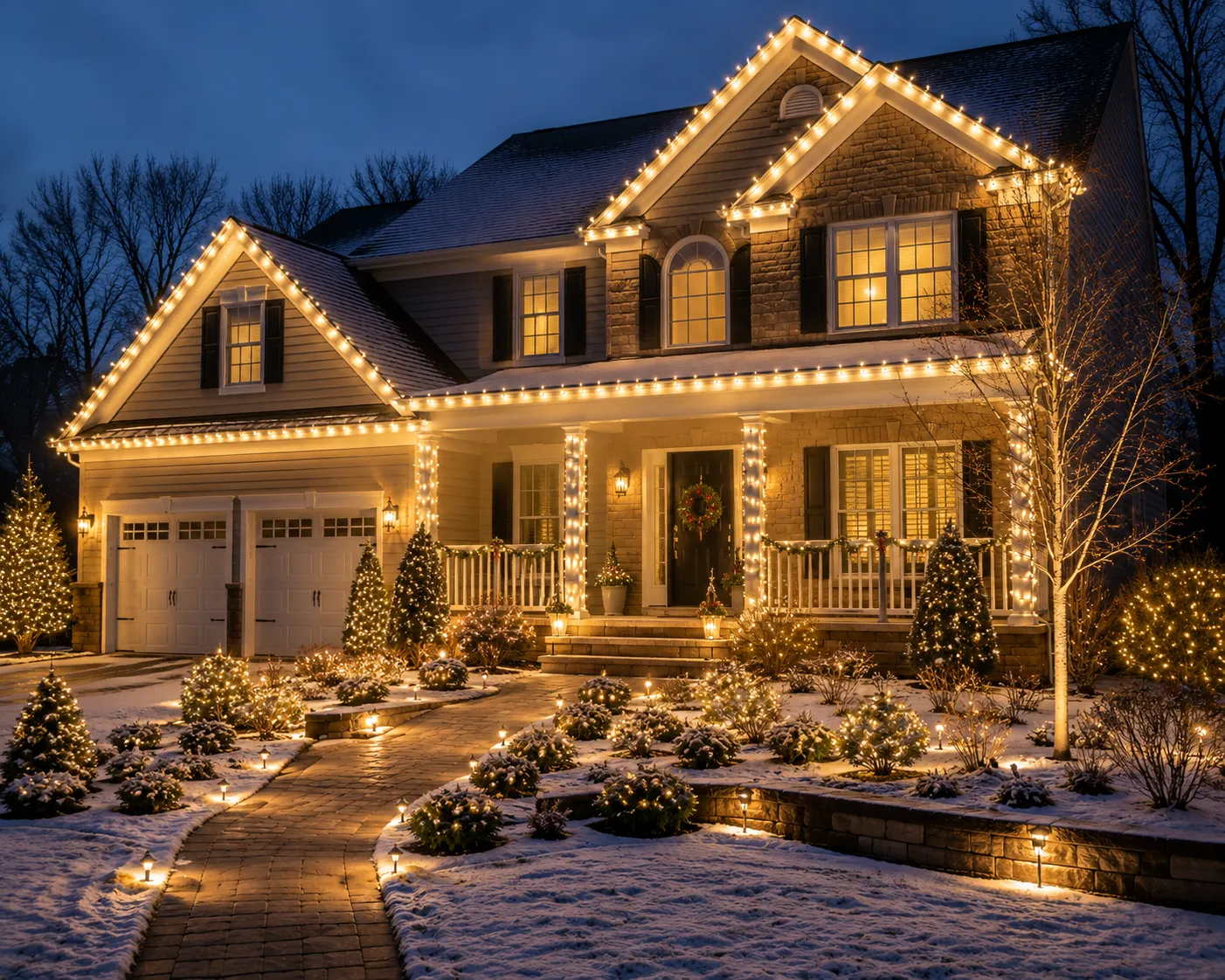
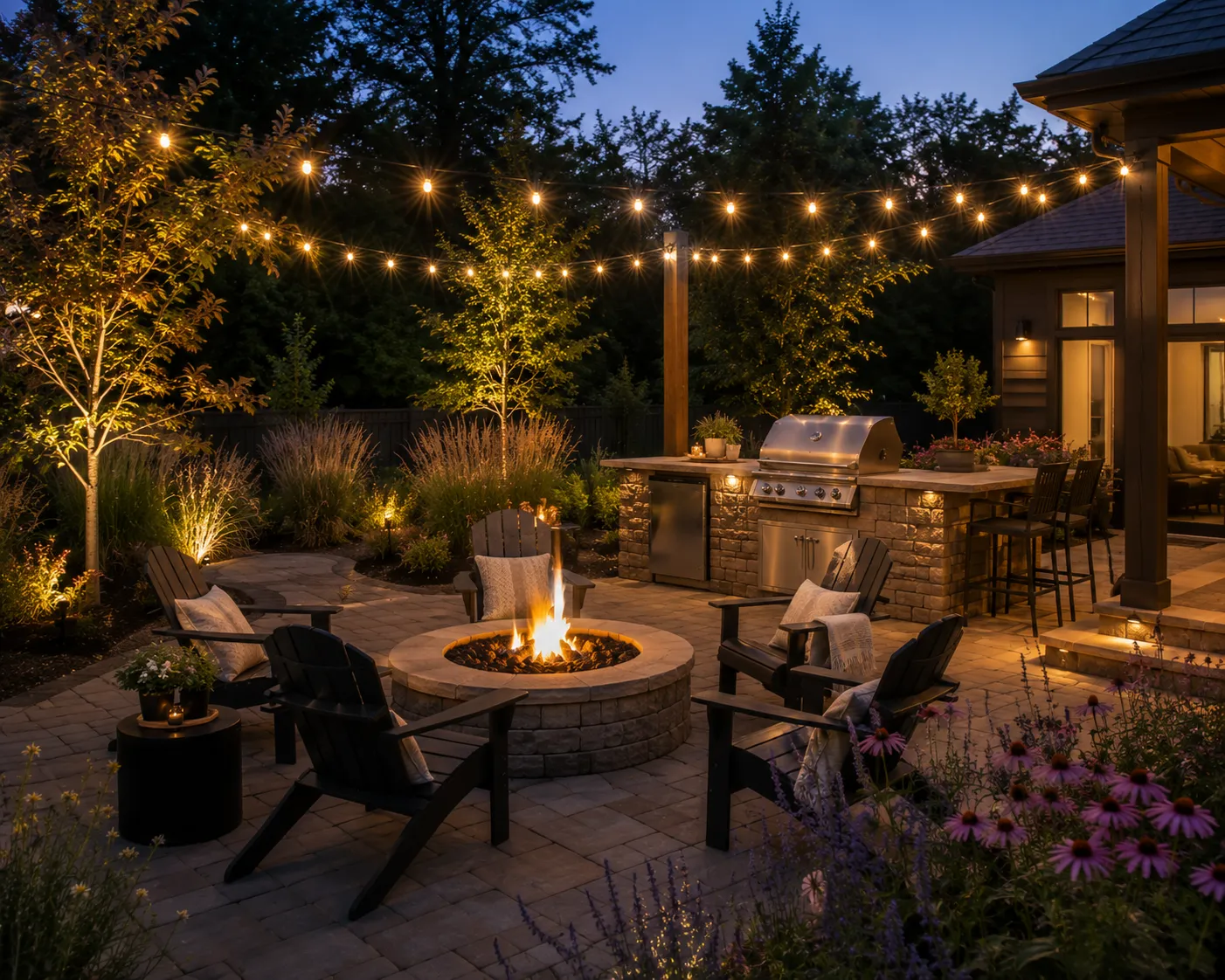
Homeowners ask us this question more than almost any other: is landscaping actually worth the money, or is it just a nice-to-have? After years of working with both homeowners and real estate agents throughout Northeastern Pennsylvania, the honest answer is that well-executed landscaping is one of the more reliable investments you can make in a home - both for enjoying it now and for what happens when you eventually sell.
Here's what the data and our own experience on the ground both point to.
The Real Numbers Behind Landscaping ROI
Consistently High Return Compared to Other Home Improvements
National appraisal and real estate industry data consistently ranks landscaping among the highest-ROI home improvements, often returning 100% or more of its cost at resale — frequently outperforming interior renovations like kitchen remodels in percentage terms.
It's Not Just About Selling
Even homeowners with no plans to sell benefit from the same investment through daily enjoyment of their outdoor space — the ROI isn't purely financial.
Diminishing Returns Do Exist
Like any home improvement, landscaping has a point of diminishing returns. A reasonable, well-planned investment tends to outperform an extravagant, over-designed one relative to cost.
How Appraisers Factor in Landscaping
While appraisals focus primarily on the structure itself, well-maintained landscaping can support a higher valuation by reinforcing the overall condition and desirability of a property, particularly when comparable homes in the area have similar outdoor features.
Curb Appeal's Role in a Buyer's First Impression
Buyers Decide Before They Walk In
Real estate agents consistently report that buyers form an opinion of a property within seconds of pulling up — often before seeing the interior at all. A well-maintained, thoughtfully landscaped exterior sets a positive tone for the entire showing.
Photos Matter Just as Much
With most buyers starting their search online, listing photos featuring strong curb appeal generate more interest and showings than photos of an overgrown or neglected yard.
It Signals Overall Home Maintenance
Buyers often assume that a well-maintained exterior reflects similar care given to the home's systems and interior — even if that assumption isn't always accurate, it still shapes perception.
The Comparison Effect
In neighborhoods where homes are relatively similar in size and price, landscaping quality often becomes one of the more noticeable differentiators between listings, giving well-maintained properties a competitive edge during a buyer's search.
Which Landscaping Investments Return the Most
Mature Trees and Established Plantings
Mature trees add significant value because they represent years of growth a buyer can't simply purchase and install — a landscape that already looks established is worth more than one that looks freshly planted.
Clean, Simple Hardscaping
Well-built walkways, defined beds, and modest patios tend to offer strong returns without the higher cost and complexity of elaborate hardscape features.
Consistent Lawn Care
A healthy, well-maintained lawn is one of the most cost-effective value boosters available — it's relatively inexpensive to maintain but has an outsized effect on overall impression.
Foundation Plantings and Framing
Simple, well-placed shrubs and plantings that frame the entrance and soften the foundation line consistently rank among the most buyer-appealing landscaping elements.
Fresh Mulch as a Low-Cost, High-Impact Update
Among the smallest investments with the biggest visible payoff, a fresh layer of mulch across existing beds instantly makes a property look more cared-for, often within a single afternoon of work.
How Mature Landscaping Affects Perceived Home Age
Established Landscapes Feel Settled
A home with mature trees, established shrubs, and well-developed beds often feels more settled and cared-for than an identical home with sparse, newly installed landscaping — even if the house itself is the same age.
New Landscaping Can Look Unfinished
Freshly installed landscaping, while an improvement over neglect, can sometimes read as incomplete to buyers until plants fill in over a season or two.
Balancing New Investment With Realistic Timelines
Homeowners planning to sell within a year or two should factor in how long new plantings take to mature and look established, since a bed installed just weeks before listing may not yet convey the full value it eventually will.
Outdoor Living Spaces and Buyer Expectations
A Growing Buyer Priority
Outdoor living spaces — patios, fire pits, defined seating areas — have become an increasingly common expectation among buyers, particularly those who prioritized home time during recent years.
Functional Space Sells Better Than Decorative Space
A modest, functional patio that a buyer can picture actually using tends to add more perceived value than an elaborate feature that reads as high-maintenance or overly specific to the current owner's taste.
Move-In Ready Beats Project Potential
Buyers increasingly favor outdoor spaces that are ready to enjoy immediately over a bare yard described as having "great potential." A finished, functional outdoor living area removes uncertainty and additional cost from the buyer's side of the equation.
The Difference Between Maintained and Neglected Landscaping
Neglect Actively Hurts Value
An overgrown, weedy, or poorly maintained landscape doesn't just fail to add value — it can actively detract from a home's perceived worth and create the impression of deferred maintenance throughout the property.
The Cost of Catching Up
Homeowners who let landscaping go for several years often face a larger, more expensive renovation to bring a property back to a competitive resale condition than they would have spent on consistent maintenance along the way.
Small, Regular Investment Beats Large, Infrequent Investment
Consistent seasonal maintenance — mulching, pruning, lawn care — protects a smaller ongoing investment rather than requiring a costly overhaul right before listing a home.
Deferred Maintenance Compounds Over Time
A tree that needed pruning two years ago and was ignored may require removal today. A small drainage issue left unaddressed can erode a lawn or damage a foundation over several seasons. Landscaping problems rarely stay the same size — they tend to grow, along with the eventual cost of fixing them.
Landscaping's Effect on Time on Market
Faster Sales for Move-In-Ready Exteriors
Homes with strong curb appeal and well-maintained landscaping tend to spend less time on market, since buyers can more easily picture themselves moving in without additional exterior work.
Reducing Buyer Objections
A neglected yard often becomes a negotiating point during inspections and offers — a well-maintained landscape removes that objection before it comes up.
First Weekend Momentum
Homes that generate strong interest and multiple showings in the first weekend on market often benefit the most from competitive offers. Strong curb appeal contributes directly to that early momentum, since online listing photos and drive-by interest both depend heavily on exterior presentation.
Common Landscaping Investments That Don't Pay Off
Overly Personalized Features
Elaborate, highly personal landscaping choices — unusual color schemes, very specific hobby gardens, or oversized water features — often don't appeal broadly to buyers and can actually be a detractor.
High-Maintenance Elements Buyers Don't Want to Inherit
Features that signal significant ongoing upkeep, like extensive annual flower beds requiring constant replanting, can make buyers hesitant rather than impressed.
Overbuilt Hardscaping Relative to the Property
A large, elaborate patio or outdoor kitchen on a small lot can feel disproportionate to the property and doesn't always return its full cost at resale.
Planning Landscaping With Resale in Mind
Focus on Broad Appeal
Simple, clean, well-maintained landscaping choices tend to appeal to the widest range of potential buyers, compared to highly specific or trend-driven designs.
Prioritize the Front of the Property
If budget is limited, prioritizing the front yard and entrance — where curb appeal and first impressions happen — typically returns more value than investing exclusively in the backyard.
Don't Wait Until You're Ready to List
Landscaping that's been maintained consistently over years looks more established and valuable than a rushed pre-listing improvement, reinforcing the case for ongoing maintenance rather than last-minute fixes.
Prioritizing on a Limited Budget
Homeowners planning ahead for resale sometimes ask which projects to tackle first given a limited budget. In most cases, front-yard curb appeal — lawn health, clean beds, fresh mulch, and basic foundation plantings — delivers the strongest return relative to cost, with larger hardscaping or backyard investments coming next if budget allows.
FAQ: Landscaping and Home Value
Does landscaping really increase home value? Yes — landscaping consistently ranks among the highest-ROI home improvements, often returning 100% or more of its cost at resale.
What landscaping investments add the most value? Mature trees, clean hardscaping, consistent lawn care, and well-placed foundation plantings tend to offer the strongest returns.
Can neglected landscaping hurt my home's value? Yes — an overgrown or poorly maintained yard can actively detract from perceived value and raise concerns about overall home maintenance.
Is it worth landscaping right before selling my home? Some improvements help, but landscaping maintained consistently over time typically looks more established and valuable than last-minute changes.
Do outdoor living spaces like patios add resale value? Yes, particularly modest, functional spaces that buyers can easily picture using themselves.
What landscaping features don't add value? Highly personalized features, high-maintenance plantings, and hardscaping that's disproportionately large for the property often don't return their full cost.
How much should I budget for resale-focused landscaping? It depends on your property's current condition and goals; a free on-site estimate provides the most accurate guidance.
Does front yard or backyard landscaping matter more for resale? Front yard landscaping typically has a bigger impact on first impressions and initial buyer interest.
How long does it take for new landscaping to look established? Generally one to three growing seasons, depending on the plants and features installed.
Do you offer landscaping consultations focused on home value? Yes — we help homeowners throughout Moosic, Scranton, Dunmore, Clarks Summit, Old Forge, Taylor, Pittston, Moscow, Wilkes-Barre, Kingston, Dickson City, and South Abington Township plan landscaping investments with resale value in mind.
Conclusion
Professional landscaping is one of the more dependable investments a homeowner can make — it consistently returns strong value at resale, improves daily enjoyment of the property, and reduces the risk of a neglected yard becoming a negotiating point down the road. The key is consistent, well-planned care rather than a rushed effort right before listing.
Ready to Invest in Your Property's Value?
Semyon Landscaping helps homeowners throughout Moosic and Northeastern Pennsylvania plan and maintain landscaping that pays off — whether you're settling in for years or preparing to sell. Contact us for a free estimate.